

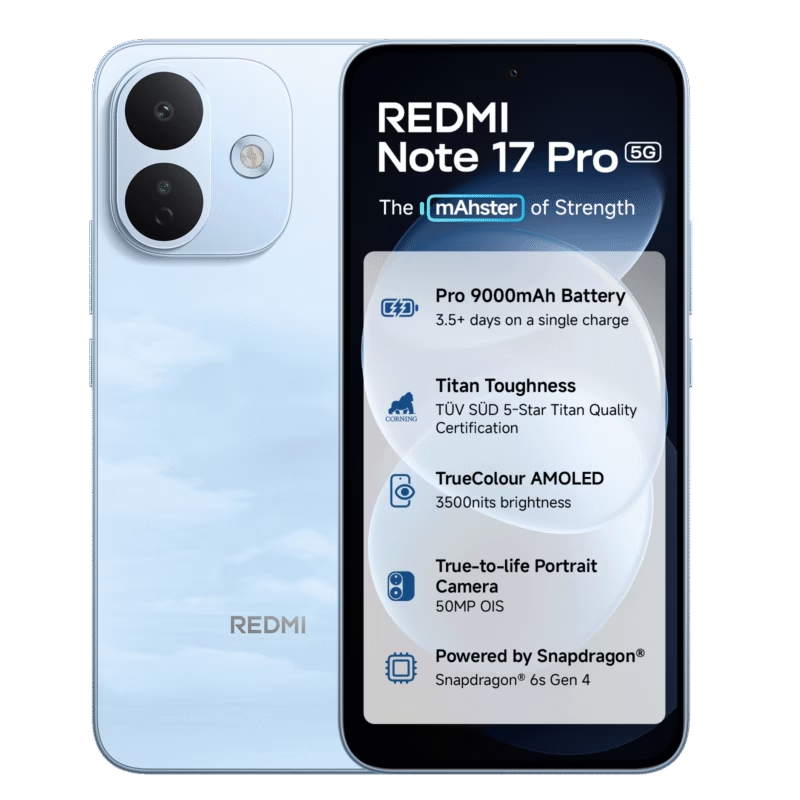
The Redmi price hike in India is changing the maths for smartphone buyers. The phone you shortlisted may now cost more, even though the hardware has not changed. Before stretching your budget, check the exact variant, compare the final payable price and find out whether a retailer still has stock at the earlier rate.
The headline is simple: reported increases run from ₹1,000 to ₹4,000. The buying decision is more nuanced. A familiar model can be good value at one price and a much harder recommendation at another. This guide puts the numbers first, then explains seven practical checks that can save you from an expensive impulse purchase.
Price check: November 16, 2026 · Market: India · Currency: INR. This is a reported-news and buying-advice article, not a hands-on review. Store prices, availability and offers can change after publication.
Redmi price hike: the quick answer
- What changed? Several Redmi phones now appear at higher prices in Xiaomi’s Indian store.
- Largest increase in our comparison: ₹4,000 for the Note 17 Pro configuration listed below.
- What should you do? Recheck your shortlist against today’s checkout prices, rather than an older review’s value verdict.
- What should you avoid? Treating a crossed-out marketing price as the price people paid yesterday.
Redmi price hike in India: old vs new prices
The earlier figures below come from 91mobiles’ November 16 price report. The current prices and listed configurations were cross-checked against Xiaomi India’s store catalogue. The increases are calculated by subtraction. This is a selected comparison, not a complete list of every affected variant.
| Model · RAM/storage | Earlier price* | Listed now* | Increase |
|---|---|---|---|
| Redmi A7 Pro, 4/64GB | ₹13,999 | ₹15,999 | +₹2,000 |
| Redmi 15A 5G, 4/64GB | ₹16,499 | ₹18,499 | +₹2,000 |
| Redmi 17C 5G, 4/128GB | ₹20,999 | ₹21,999 | +₹1,000 |
| Redmi 17 5G, 6/128GB | ₹23,999 | ₹25,999 | +₹2,000 |
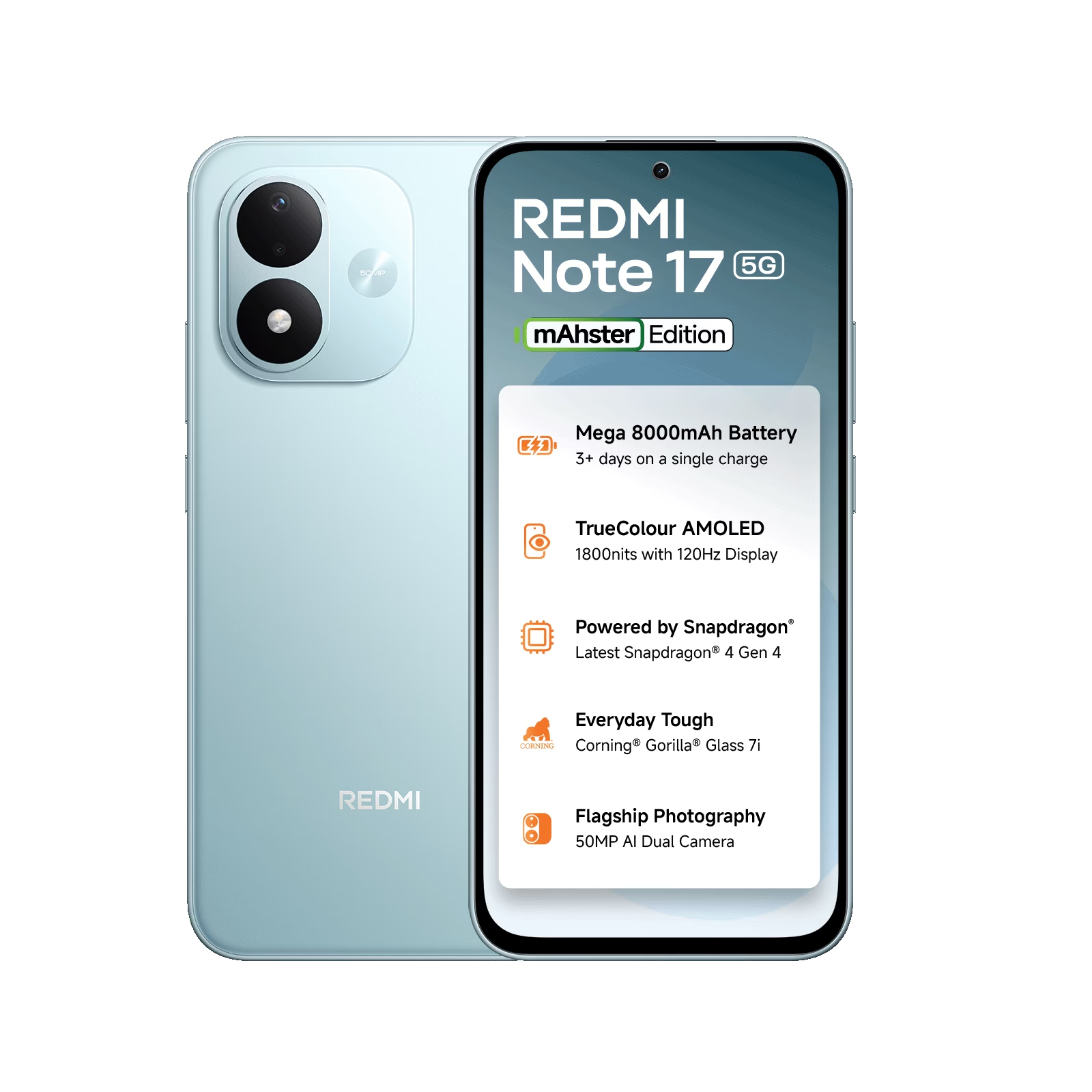
| Redmi Note 17 5G, 6/128GB | ₹27,999 | ₹30,999 | +₹3,000 |
| Redmi Note 17 Pro 5G, 8/128GB | ₹36,999 | ₹40,999 | +₹4,000 |
| Redmi Note 17 Pro Max 5G, 8/256GB | ₹49,999 | ₹52,999 | +₹3,000 |
*Prices are a dated snapshot, before any payment-specific or exchange benefit. RAM/storage identifies the configuration currently shown in the official listing. The report’s earlier prices are model-level figures; verify the same variant when comparing a retailer’s historical offer. The A7 Pro row refers to the model without “5G” in its name.
That last distinction matters. Similar product names can hide different phones, and a low “from” price can refer to a smaller memory configuration. A comparison is useful only when the model, RAM, storage and purchase conditions match. Keep those four details together when you save a listing or ask a shop for a quote.
Why Redmi price hike reports and store prices can differ
The reporting developed during the day. The Tech Outlook’s morning coverage described tipped increases while older prices were still visible. Later, 91mobiles reported that revised listings were live. A search preview or a screenshot from earlier in the day can therefore tell a different story from a current product listing.
Separately, Moneycontrol’s retailer-based report says the revision covers 19 Redmi variants and links the changes to rising memory and component costs. It also reports that some stock bought at earlier rates remains in the mainline retail channel. That does not guarantee a particular shop still has a lower-priced unit.
Our reading: the Redmi price hike deserves attention, but it is not a reason to panic-buy. Check the actual offer available to you. An older listing can be genuine, outdated, unavailable or conditional; the number alone does not tell you which. The rest of this guide helps you make that distinction without turning a normal phone purchase into a research project.
1. Compare the exact phone, not just its name
Start with the full product name and copy it into your comparison notes. Include “5G,” “Pro” and “Max” where applicable. Then write the RAM and storage beside it. Do this before looking at discounts: otherwise, a cheaper configuration can look like a bargain on the phone you actually wanted.
For example, two listings with the same family name may offer different memory capacities. If you need room for large games, downloaded videos or years of photographs, a cheaper storage tier may not solve your problem. Equally, there is little benefit in paying for capacity you will never use simply because it carries a bigger advertised discount.
Look at your current phone’s storage screen and note what occupies the space. This turns a vague preference into a practical requirement. If most of your storage is replaceable downloads, your needs may differ from someone who keeps substantial local media or work files. Choose around your own use, not a retailer’s most prominent configuration.
Before paying, match the model and memory details across the product page, cart and invoice. If a salesperson promises a particular variant, ask for that detail in the written quote. A small check here is easier than trying to resolve a mismatch after delivery.
2. Judge the Redmi price hike against your real budget
Set a total spending limit before opening more shopping tabs. Include the phone and any accessories you genuinely need. Keep optional extras separate. This prevents a modest increase in the handset price from quietly becoming a much larger increase once protection plans, cases and other add-ons enter the basket.
A useful question is: “Would I choose this phone today if I had never seen its old price?” If the answer is no, revisit the shortlist. The time you already spent researching a model is not a reason to accept a weaker deal. You can keep the research and change the purchase decision.
The Redmi price hike also makes budget boundaries more important. If the final total crosses your limit, compare a lower configuration only if it still meets your requirements. Otherwise, look at another model or postpone the purchase if your existing phone remains usable. A budget is most useful when it actually changes what you buy.
A simple way to calculate the impact
Subtract the earlier price from the revised price to find the cash increase. To express it as a percentage, divide that increase by the earlier price and multiply by 100. Use the same variant and the same type of price on both sides; mixing a bank-offer price with a standard selling price gives a misleading result.
As a purely hypothetical example, a phone moving from ₹20,000 to ₹22,000 costs ₹2,000 more, a 10% increase. That does not automatically make it a bad product. It means you should ask whether its advantages still justify the new price compared with the alternatives you can buy now.
3. Separate a real discount from a crossed-out price
The largest number on a shopping page is not always the useful comparison. Retailers can display a marketing reference price beside the selling price. A high percentage-off badge may look impressive even when the amount you pay is higher than a recent everyday price.
For the Redmi price hike, focus on two numbers: a reliably documented earlier selling price and the current final payable amount. Keep a dated screenshot or written quote if you are comparing offers over several days. Note whether the earlier number required a particular payment card, exchange, coupon or membership.
Check that any discount applies to your selected configuration. Offers sometimes change when you choose a different colour or storage option. Do not assume the benefit shown on a category card survives every selection on the product page. Read the final breakdown before treating it as money saved.
A price-history service can be helpful when it covers the exact listing, but read what it tracks. One marketplace listing is not the whole market, and a historical low is not necessarily an available offer. Use historical information to understand the context, then base your purchase on the offer you can actually complete.
4. Compare payment offers without counting imaginary savings
Build a small comparison with three columns: standard price, discount you qualify for, and final amount due. If you do not have the required card or cannot meet a condition, leave that discount out. A promotion available to somebody else should not make a phone look cheaper in your own budget.
Treat exchange value separately. Trading in an old device is giving up something you own, not simply receiving a free discount. Compare the payment without exchange, the expected trade-in value and the cash you would still pay. Check whether the quoted exchange amount can change after inspection.
For instalments, read the total payable amount and any stated fees rather than comparing only monthly payments. A smaller monthly number can reflect a longer payment period. This article does not assess individual finance products; the practical point is to compare complete costs on the terms shown to you.
Also check when a benefit arrives. An instant reduction and cashback credited later are different for someone working with a fixed amount of cash today. Save the offer conditions with the purchase record, especially if you are relying on a benefit that will appear after checkout.

5. Check older stock without skipping seller checks
Reports of stock at earlier rates create a useful possibility, not a promise. Ask a retailer whether the quoted price is available for a sealed unit of the exact model you want. Confirm whether the listing is new, open-box, refurbished or used. Those conditions should be clear before the price comparison starts.
A lower price is less attractive if important details are missing. Ask who issues the invoice, what warranty applies and how a problem on arrival would be handled. Read the return or replacement terms for that specific seller and product rather than relying on a marketplace’s general reputation.
If a shop says its price is about to change, ask for the current written quote and its validity period. You do not need to decide purely because somebody creates urgency. A clear offer gives you something concrete to compare; a countdown without clear terms does not.
For online orders, keep the listing, seller details, order confirmation and payment record together. If the product description changes later, your own records can help establish what you ordered. This is ordinary purchase housekeeping, especially useful when many near-identical variants are being sold at different prices.
6. Rebuild your shortlist at today’s prices
An older review may accurately describe the phone while giving a value verdict tied to a price that no longer exists. Separate those two parts. The review can still help you understand the experience, but its “best buy” conclusion needs another look after a price increase.
Choose your three non-negotiable needs. For one person, those might be dependable battery life, sufficient storage and local support. For another, they might be camera results, comfortable size and a particular software feature. Then compare candidates using the same needs and current prices.
Avoid replacing one rushed decision with another. A competing phone is not automatically better because it is cheaper, and a higher specification number is not automatically useful. Read independent tests for the activities that matter to you. Look for relevant examples rather than a long list of features you will rarely use.
You can organize the comparison in a spreadsheet or use an AI assistant to summarize information you supply. Our guide to everyday tasks you can do with Claude includes electronics-comparison prompts. Provide verified prices yourself and check the output; an assistant’s confident answer is not proof of a live offer.
7. Decide whether to buy now or wait
Buy now can be a reasonable decision when your current phone no longer meets essential needs, the exact replacement fits your budget, and the seller’s terms are clear. Waiting can be reasonable when your phone still works well or the new price removes the value that attracted you in the first place.
Nobody can promise that waiting will produce a lower price. Future promotions, stock levels and component costs are uncertain. Equally, a price-rise headline does not prove that every available offer will disappear immediately. Decide from your needs and the current verified options, rather than a prediction dressed up as certainty.
A useful middle course is to set a target price and a review date. Write down the maximum total you would pay for the exact variant, then check a small number of trusted sellers. This keeps the search manageable and prevents hours of browsing from becoming another cost of the purchase.
The Redmi price hike changes the deal, not your priorities. If you were buying for reliable daily use, keep judging the phone on that job. If you were upgrading mainly out of curiosity, it is fine to pause. New technology should earn its place in your budget.
Your five-minute checkout checklist
- Match the full model name, RAM and storage across the listing and cart.
- Confirm the price you can actually pay without assuming an unavailable offer.
- Check whether the unit is new and sealed, and read the seller’s invoice and warranty terms.
- Separate exchange value, cashback and instalment conditions from the standard price.
- Compare at least one relevant alternative at its current price.
- Save the final quote and order details before completing the purchase.
Frequently asked questions about the Redmi price hike
Does the Redmi price hike apply outside India?
The figures in this article concern India. They do not establish a worldwide increase or a local price in another country. If you are buying elsewhere, check the regional store and local sellers. Imported units can also have different delivery, warranty and support conditions.
Is every Redmi phone ₹4,000 more expensive?
No. ₹4,000 is the upper end of the reported increases discussed here, not a flat increase across the range. Model and configuration matter. Use the table as a starting point and confirm the specific offer before paying.
Can I find the earlier price after the Redmi price hike?
Possibly. Retailer-based reporting indicates some earlier-priced inventory remains, but availability varies. Verify that the listing is in stock and refers to the same variant and condition. Do not treat an old search result as a current offer.
Does the Redmi price hike mean better specifications?
A higher selling price alone does not establish a hardware upgrade. Check the exact model’s specifications and any announced revision. This article reports price changes; it does not claim that the affected phones received new hardware.
Should I wait for the next sale?
That depends on how urgently you need a replacement and whether the current offer meets your budget. A future sale is not a guaranteed saving. Set a target price, compare complete costs and decide how long you can comfortably wait.
Our verdict: compare calmly, buy deliberately
The most useful response to the Redmi price hike is a fresh comparison. Keep the exact variant in view, check the complete payable amount and question any discount that depends on conditions you cannot meet. A familiar brand name should not do the decision-making for you.
If an earlier-priced unit is genuinely available from a suitable seller, it may deserve a closer look. If only the revised price is available, judge the phone against the alternatives at that amount. You are buying the deal in front of you—not the deal an old review described.
Explore more electronics news and buying guides on Codeweave24. Which Redmi model were you considering, and has its checkout price changed? Share the model, memory configuration and market in the comments so other readers can understand your comparison.
Sources and verification
- Xiaomi India store catalogue — current listed prices, configurations and official product imagery checked November 16, 2026.
- 91mobiles — earlier prices and reported revisions.
- Moneycontrol — retailer reporting on affected variants, cost pressures and inventory.
- The Tech Outlook — early-day reporting and timing context.
Price differences in the table are our calculations. The buying guidance is Codeweave24 editorial analysis. Product images are from Xiaomi India; no hands-on testing is implied.